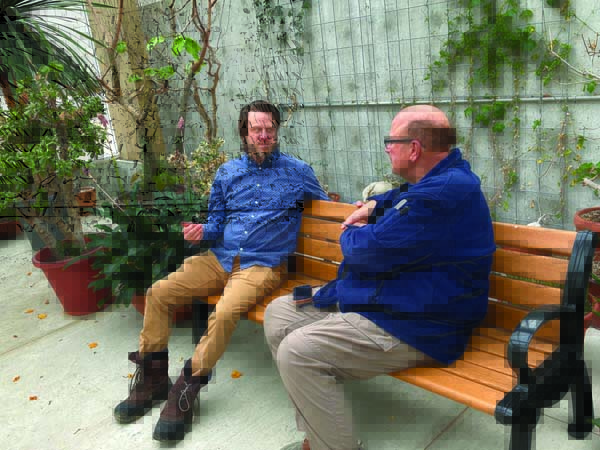
Tim Chapman is originally from Fairfax, Virginia, which might make one ask as to how he would end up on the North Dakota/Manitoba border as CEO of the International Peace Garden.
Tim’s journey would include working for the Minot Daily News arriving in 2011 (yep, that would be the flood year), then to the Virgin Islands and a job with the Virgin Island Daily News. Economics wouldn’t quite work out in the Virgin Islands…expensive to live and salaries are not great…but Tim liked Minot and so he moved back which “was confounding to a lot of my friends” according to Tim.
There would be a few more stops in Tim’s journey, but soon he found his way to the Peace Garden and a new life that is described on the Peace Garden Facebook page…”stop the news and build a garden.”
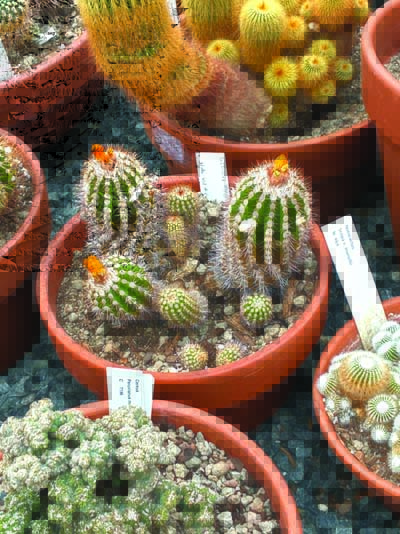
Tim and I were able to meet on a rather chilly, snowy day as we took a seat on a bench in the conservatory and talked about this year round facility that now houses the “probably the only one like it in the world” according to Tim, Vitko cactus collection. “Vitko (Minoter Don Vitko) was on the board and people kept asking him what he was going to do with his plants. He made the decision that he wanted his (now nearly 50 years old) collection in his home state. So when 2019 rolled around, because the original building was not really adequate for this collection. So they decided that if they could house this (Vitko’s collection) in a more permanent setting, they could stretch the Peace Garden season to 12 months.”
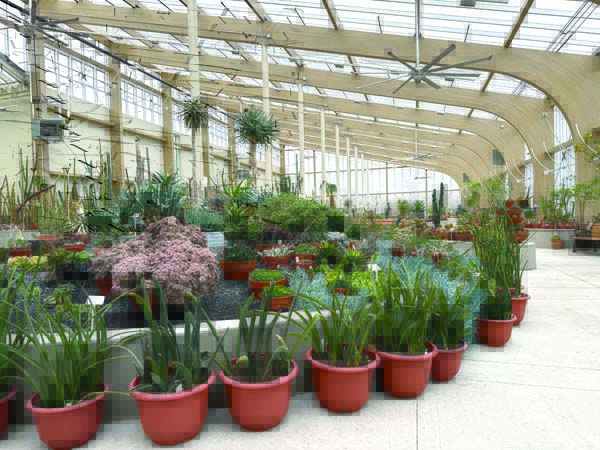
The board knew, in general, that they not only needed space in the new building but they need height for the larger cactus to grow. “It is the world’s most diverse collection of dryland plants” according to Chapman “it’s about 5,000 units right now, of those 4,000 are unique species.” Half of the plants originate from North and South America, while the other half consists of succulents and xerophytes from Africa and Madagascar. The collection, which includes a number of rare and endangered species from all over the world, provides a powerful platform for teaching about the importance of conservation. These lessons align with the mission of the Garden, as conservation is a form of promoting peace – valuing and protecting living things and working to create a sustainable environment so they can thrive. The Conservatory building also houses a horticulture library, a cafe, and a gift shop featuring local art and collectibles.
An interesting story about the collection during construction “during the two winters when the conservatory was under construction, we (the Peace Garden staff) had to move everything up the hill into the greenhouses where we normally start our annuals and our holding houses, so when everything was complete we started moving everything back down over the next year…and this last year we were taking pieces off of every single plant because the knot in the twine on the plant told the guys which part of the plant had to face south. Being that meticulous was certainly worth it because we estimate that maybe we lost 10 plants in the whole construction process.”
There are two almost full time staff people that concentrate on the conservatory area.
Not only is the conservatory year round, but there are new houses (cabins) that are available during the winter months. “That was our goal all along, to make the Peace Garden year round” according to Chapman.
The Don Vitko Cacti and Succulents Collection is open Monday – Friday, 10 AM to 4 PM, and Saturday – Sunday, 11AM – 4PM.