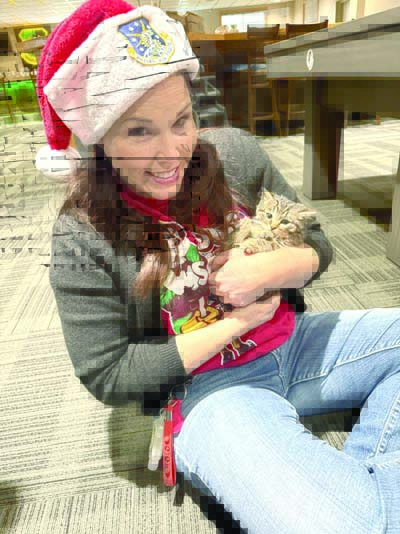
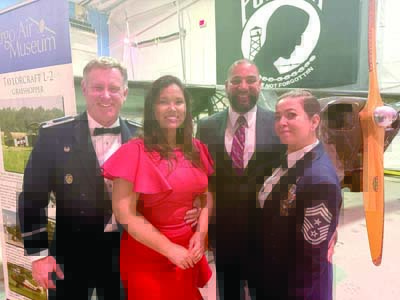
The 91st Missile Wing command spouse is far more than a steadfast supporter or a loyal “plus one.” She is more than the behind-the-scenes volunteer or the classic military spouse constantly adapting to new places and rebuilding community every few years. She is a mother, a mentor, and someone with a remarkable gift for truly seeing people, caring deeply for them, and knowing when to step back so others can shine. She is Monica Schlabach.
Monica and her family have been stationed at Minot Air Force Base for nearly four years, though this was not their first time here. Early in their Air Force journey, nearly 20 years ago, the Schlabachs were also assigned to Minot. Monica explained that this experience has been completely different from the first. While both the base and the city have changed over the years, she believes the biggest difference was within herself.
The first time around, Monica was raising young children and navigating the exhausting realities of life with little ones. Like many military spouses, her days revolved around survival mode: caring for children, supporting her husband’s demanding career, and simply trying to keep life moving forward. This time, however, she and her husband, Col. James “Jimmy” Schlabach, commander of the 91st Missile Wing, arrived in Minot as empty nesters. That shift in life allowed her to experience the community in a completely new way.
Being in a prominent leadership position on both the base and within the local community also opened her eyes to the overwhelming support Minot offers military families. Speaking about the people here, Monica became emotional as she described how welcomed and loved she felt.
“We have never been this supported at any other base or town,” she said.

As she reflected on her years in Minot, it was clear the community left a lasting mark on her heart. She explained that because of this experience, she plans to remain actively involved in military and local communities wherever life takes her next.
Years of working alongside spouse clubs, organizations, and volunteer groups at multiple duty stations also shaped the way Monica approached her role as a wing command spouse. She admitted that the position came with many demands on her time and energy, and at times it felt overwhelming. But over the years, she learned important lessons about balance, leadership, and trusting others.
Rather than trying to carry everything herself, Monica learned to pause, take a breath, and prioritize what truly mattered. One of her favorite tools for managing the chaos is surprisingly simple: a paper calendar. Unlike digital apps and reminders, she enjoys physically writing things down so she can clearly see what needs immediate attention and what can wait.
More importantly, she learned the value of letting others step into leadership roles. Instead of trying to do everything herself, Monica discovered how much talent existed quietly within the spouse and military community around her.
“I can let others take the reins,” she said. “So many people have hidden talents. It has amazed me.”
For Monica, leadership became less about personally overseeing every project and more about encouraging others to discover their strengths and confidence. Supporting others as they stepped into new opportunities became one of the most rewarding parts of her experience.
Despite years of experience, Monica is also quick to admit that she does not have everything figured out. She openly laughs about her mistakes and believes there is value in sharing them honestly. One memory she recalled still makes her smile today. During the COVID era, distracted and rushing through her day, she accidentally drove through a base gate without stopping to show her ID. Security Forces immediately responded exactly as they were trained to do for a gate runner. The barriers came down, and within moments she found herself surrounded.
Thankfully, the situation was quickly resolved once everyone realized it had simply been an honest mistake. Looking back, Monica laughs about the experience now.
“Sometimes you just have to laugh at yourself,” she said. “We all make mistakes.”
She added that at least her accidental mistake provided valuable training for the Airmen working the gate that day.
As the Schlabachs prepare to say goodbye to Minot this summer, Monica admits she is leaving with a heavy heart. Like so many military families before them, Minot became far more than just another assignment. It became home.
She hopes new spouses arriving at Minot will not be afraid of the reputation they may hear before coming here. In fact, she believes Minot offers opportunities many larger locations cannot. Because it is a smaller community, she explained, people are often more willing to give others a chance to grow, learn new skills, or pursue careers outside of their previous experience.
“If you’ve ever wanted to try something new, this is the perfect place to spread your wings,” she said.
She also encourages military families across the Air Force not to rely on opinions from people who have never actually lived in Minot. Instead, she says to talk to those who truly experienced it. More often than not, they will tell you how deeply special the community really is.
For Monica, Minot changed her for the better. The friendships, support, opportunities, and culture of genuine military appreciation left a permanent impact on her life. Even after leaving, she knows Minot will always hold a special place in her heart, and she fully intends to return often to visit the people who became family.
As farewells, change of command ceremonies, and Air Force retirements begin to approach, Monica feels the sadness that naturally comes with closing such an important chapter of life. But above all else, she feels gratitude. Gratitude that Minot became the final duty station of her journey as a military spouse, and gratitude that the “best base” became the place where that journey comes to an end.