“Thank you for your service.”
It’s something we hear spoken to veterans and active-duty service members alike. In fact, many of us have probably said these words to someone else at least once in our lives. The phrase is simple, familiar, and well-intentioned. Yet, how can such a short phrase express all the gratitude we feel toward those who have served our country? And how do we demonstrate that we truly appreciate the people we honor, beyond these words?
Every November, Veterans Day is a day dedicated to recognizing the men and women who have served in the United States Armed Forces. This day also gives us the opportunity to reflect on these questions. But the meaning of Veterans Day extends beyond a date on the calendar. It makes us think about what gratitude looks like, what it asks of us, and how we can carry it into our everyday lives. Perhaps thanking a veteran begins with those familiar words, but it shouldn’t have to end there.
Throughout American history, generations of service members have answered the call to serve, from the American Revolutionary War and the Civil War to the World Wars, the Korean and Vietnam Wars, the conflicts in the Persian Gulf, Afghanistan, and Iraq, and other periods of military service. Each generation has its own history, shaped by the circumstances of its time. By remembering this history, we’re able to understand the nation we’ve inherited. It also reminds us that history isn’t just made up of dates, battles, and names alone, because behind every historical account are individual human lives.
Every veteran has a story, whether we know it or not. They have experiences they’ve shared openly, memories that stayed private, and even lessons that took them years to understand. They’ve formed friendships, carried responsibilities, and experienced moments that became an integral part of their lives. However, military service affects more than service members themselves. It also affects families who may experience separation, uncertainty, relocation, and the challenges of adjusting to life. Each experience is different for each person, and no single story can fully represent every veteran. Nonetheless, each person’s experiences deserve to be recognized in their own right.

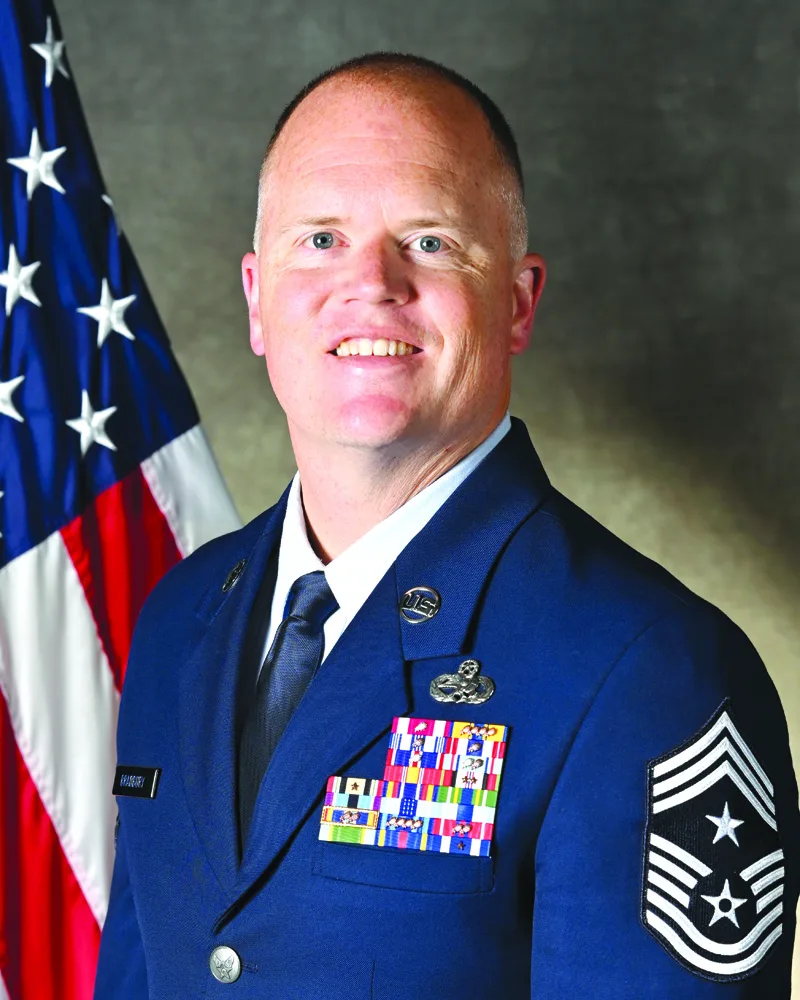
It can be easy to look at a uniform and only see the role someone fills. But beneath the uniform is a person with a family, a history, hopes for the future, and a life that extends far beyond their military service. While some veterans look back on their time in the military with fondness, others carry difficult memories and complicated feelings. Many might experience a mixture of both. Recognizing veterans means making room for these individual experiences rather than assuming we already know what their service meant to them.
This is one reason why listening matters.
In textbooks, we learn about wars through mainly timelines and historical events. Although these accounts are important for understanding our past, they can’t always capture the personal perspective of someone who experienced military life firsthand. A conversation with a veteran can bring history closer to home. It can help us understand not only what happened, but how people experienced it and what they learned.
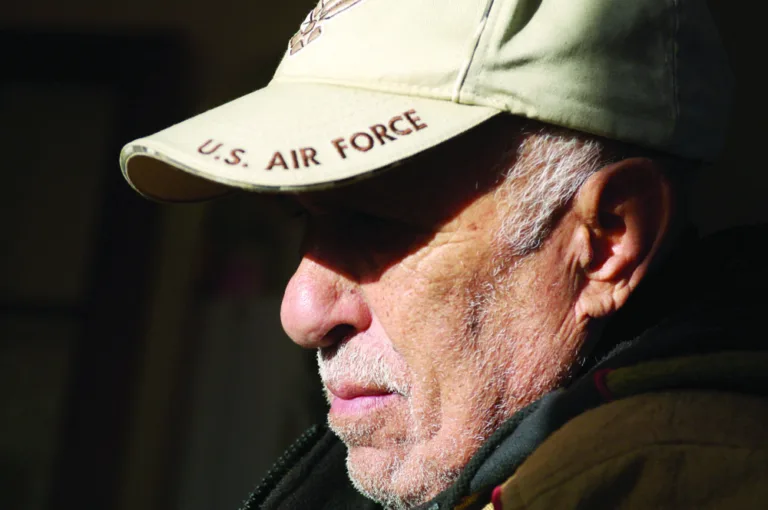
This Veterans Day, consider taking the time to speak with a veteran, whether that person is a family member, a neighbor, a colleague, or someone you met at a community event. Ask about their experiences if they’re comfortable sharing them. Listen without assuming what their answers will be, and allow them to decide which parts of their story they wish to tell.
We should also recognize the importance of preserving firsthand accounts. As generations pass, opportunities to hear directly from those who have witnessed certain periods of history become fewer. Recording oral histories, supporting local historical projects, and encouraging conversations between generations can help make sure that such experiences aren’t reduced to a few paragraphs in a textbook. The stories of veterans can offer future generations a deeper understanding of history and service. Listening to these stories is a way to help the lessons of the past remain meaningful in the future.
But what happens when Veterans Day is over?
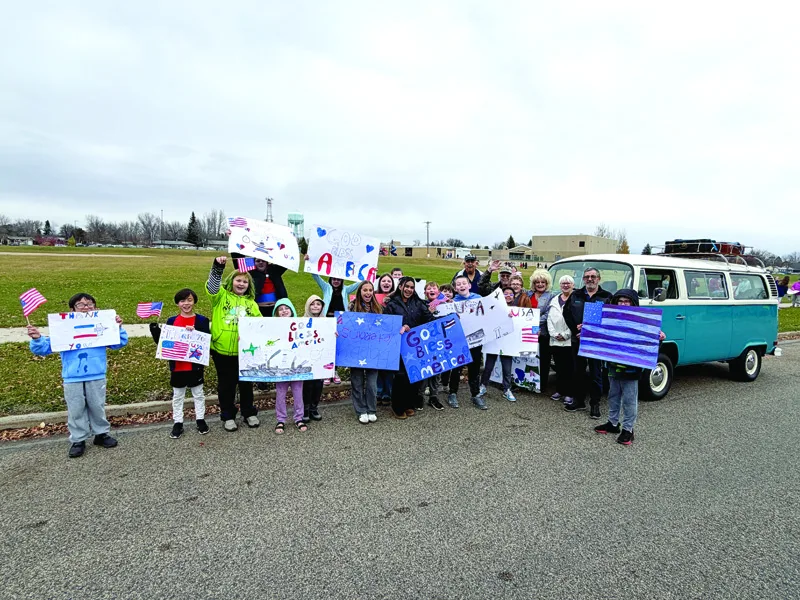
On November 11, communities across the country gather for ceremonies, display flags, and take time to recognize veterans. These traditions give us the opportunity to pause our busy lives and acknowledge people whose service deserves recognition. But a single day can’t contain the full history of military service, nor can it encompass every experience and contribution of those who have worn the uniform.
Our appreciation shouldn’t disappear when the ceremonies end and the flags come down. We can continue learning about military history throughout the year and make an effort to understand the experiences of the people in our own communities.
For those of us who haven’t served, we may never fully understand what military life has meant to another person. But we can choose to remain curious, to listen with respect, and to acknowledge that the freedoms, institutions, and communities we value have been shaped by generations of people who have contributed to our country in different ways. We can learn from their experiences.
In all, thanking a veteran doesn’t have to be a grand gesture or a perfect set of words. Sometimes, a sincere expression of gratitude is enough for that moment. Sometimes, appreciation may look like listening to a story or supporting a family. What matters is that our gratitude is genuine and that we don’t mistake the words themselves for the entirety of what we wish to express.
Veterans Day reminds us that remembrance is a responsibility shared across generations. The veterans we recognize today have experiences worth preserving, perspectives worth hearing, and lives that deserve to be acknowledged beyond a single holiday. By taking the time to learn, listen, and remember, we can give greater meaning to a phrase that is so often spoken and, perhaps, too rarely considered.
”Thank you for your service.”
These words might be simple, but the gratitude behind them doesn’t need to be. This Veterans Day, let us take a moment to consider the histories they carry and the many ways their lives have intersected with our own. Let us honor veterans not only through what we say on November 11, but through our willingness to remember their contributions and appreciate their services throughout the year.
And when we say those familiar words, may we say them with a little more understanding of all that they can mean.
Read the Full Tribute to Service feature: https://northernsentry.com/3d-flip-book/tribute-to-service-2026/