As global tensions rise and uncertainty lingers, military families across the nation find themselves navigating a familiar but never-easy reality: the possibility of deployment. While headlines speculate about international developments and national defense decisions, families connected to service members quietly prepare for what could come next. Emotions often run high for spouses, children and extended family members who may face the sudden absence of a loved one.
Although there is no definitive public roadmap outlining how the United States Department of War will respond to unfolding global events, including tensions involving Iran, one constant remains: readiness is essential. For service members, readiness often means medical fitness, training proficiency and mission capability. For families, readiness requires a different but equally important set of preparations.
Military leaders frequently emphasize the importance of being ready to deploy at a moment’s notice, whether for a short-notice expeditionary mission or a temporary duty assignment. But experts say the question families should ask is: How ready are we at home?
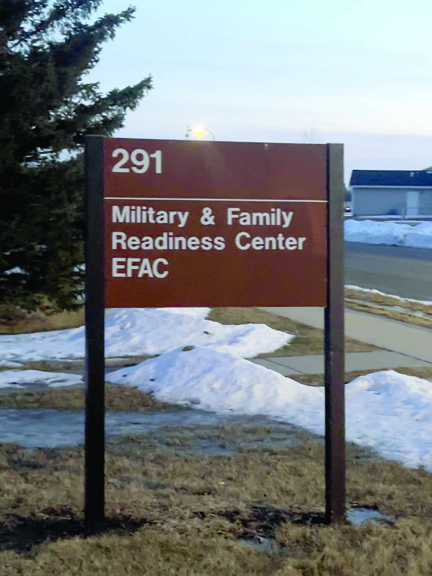
Across installations worldwide, the Military and Family Readiness Center (MFRC) plays a central role in ensuring families are prepared. At Minot Air Force Base, for example, the MFRC provides a range of services designed to ease the burdens that come with separation.
“MFRC staff can connect families with units, key support liaisons, support groups and with individuals to provide assistance,” according to information provided by MFRC website. “Materials are available for single people who have different issues to prepare for deployment. The MFRC also hosts regular activities for deployed and remote families.”
Financial preparation is often one of the most critical steps in reducing stress during deployment. Experts recommend setting bills to automatic payment and notifying companies such as cell phone providers or auto insurance carriers about deployment status to request service pauses or cost reductions when applicable. Establishing a clear financial plan can prevent unnecessary complications if communication becomes limited.
Legal readiness is another essential component. Powers of attorney should be updated to allow a spouse or trusted individual to manage matters such as vehicle registration, tax filings, property transactions or child-related decisions. This is particularly important for single parents or dual-military couples, where responsibilities may shift quickly.
Service members are encouraged to utilize their installation’s legal office for assistance with these important documents. Base legal offices provide free services to eligible members, including drafting wills and preparing powers of attorney tailored to individual needs. Legal professionals can also review existing documents to ensure they are current and compliant with state and federal requirements. Taking advantage of these services before a deployment can prevent delays and reduce uncertainty for loved ones left at home.
Though often uncomfortable to discuss, wills and estate planning are equally important. Because service members may face unique occupational hazards, having a current will ensures that property and assets are distributed according to their wishes. Without one, loved ones could face additional legal and emotional strain during an already difficult time.
Identification cards for dependents should also be reviewed. If a dependent’s military ID is set to expire during a deployment, families are encouraged to renew it in advance or ensure required documents are readily available for renewal while the service member is away.
Technology has made staying connected easier than in previous decades, but communication during deployment is not always guaranteed. Internet access may be limited, and mission requirements can interrupt regular contact. Families and service members alike are encouraged to develop both a Plan A and a Plan B for handling finances, household maintenance and emergencies.
Ultimately, readiness extends beyond physical fitness tests and mission checklists. True readiness includes peace of mind. When personal affairs are in order and families know where to turn for support, deployed service members can focus on their responsibilities without added worry about unresolved matters at home.
In times of uncertainty, preparation becomes a form of strength. Ensuring that both service members and their families are ready can mean the difference between a deployment weighed down by avoidable stress and one carried out with confidence that home is secure.
For families seeking assistance, the Military and Family Readiness Center at Minot Air Force Base can be reached at: Military and Family Readiness Center 291 Peacekeeper Place, Minot AFB, ND 58705, 701-723-3950.