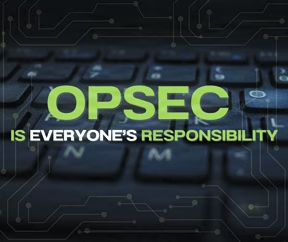
Operations Security, commonly known as OPSEC, is a critical responsibility shared by military personnel, their families, and civilians living or working on military installations. While the term “OPSEC” is frequently heard in military environments, its importance cannot be overstated, especially during real-world or ongoing situations.
OPSEC is the practice of identifying, controlling, and protecting sensitive information from unauthorized access. This includes details that, if disclosed, could compromise missions, endanger personnel, or place civilians at risk. Even information that may seem harmless on its own can become dangerous when combined with other details and accessed by those with harmful intent.
When incidents or operations are occurring on a military installation, it is essential that information is released only through official channels. Individuals may sometimes believe they are helping by sharing updates or details, particularly if they feel informed or connected to the situation. However, releasing information outside of approved sources, especially during ongoing events can do more harm than good. Unofficial information can interfere with mission execution, hinder first responders, and create unnecessary risk for service members and their families.
Violations of OPSEC can occur both in person and on social media. In face-to-face situations, examples include discussing troop movements, security procedures, or incident details in public places such as restaurants, gyms, or airports where conversations can be overheard. Sharing timelines, locations of emergency responses, or speculating about ongoing investigations with friends or family can also unintentionally expose sensitive information.
On social media, OPSEC violations are even more common and far-reaching. Posting photos or videos that show restricted areas, security checkpoints, badge access points, or response vehicles can reveal vulnerabilities. Sharing real-time updates about base lockdowns, active incidents, deployment schedules, or emergency activity. During these times military bases might be at their most vulnerable and sharing this type of information can put personnel at risk.
Another common violation includes reposting or commenting on unofficial rumors or leaked information. When individuals share details that have not been released through official channels, they may unknowingly spread misinformation or confirm sensitive facts. This can create confusion, panic, or operational challenges during critical moments.
In many cases, public communication is delayed intentionally. During emergencies or active situations, safety, coordination, and mission success take priority over immediate information sharing. This is not secrecy for its own sake, but a deliberate effort to protect lives and operational effectiveness.
OPSEC is not solely the responsibility of leadership or security forces, it is everyone’s job. Whether on duty or off, in uniform or not, each person on a military installation plays a role in safeguarding sensitive information. Understanding OPSEC and respecting its principles helps ensure the safety of personnel, the success of missions, and the security of the installation as a whole.
Remember, when in doubt, do not share. Trust official channels, and let OPSEC guide responsible decision-making.