It’s North Dakota. It’s well below freezing. Dogs still need to go outside to relieve themselves, and some need time outdoors to burn off energy. On base, where backyards are often visible to neighbors, pets are frequently in plain sight. When temperatures drop into the negatives, those sightings often spark outrage. Neighbors take to social media, convinced that dogs left outside will freeze to death or are being subjected to cruelty. Those posts are frequently met with defensive, sometimes aggressive, responses insisting the pet is fine and that others should mind their own business.
This debate resurfaces every winter, often multiple times. On one side are those who believe any extended time outdoors in extreme cold is harmful or abusive. On the other are owners who say they know their dogs’ limits and monitor them closely. So who is right? Is there a specific temperature, time limit, or breed where dogs can safely be outside in subzero conditions? As with many things, the answer is not straightforward.
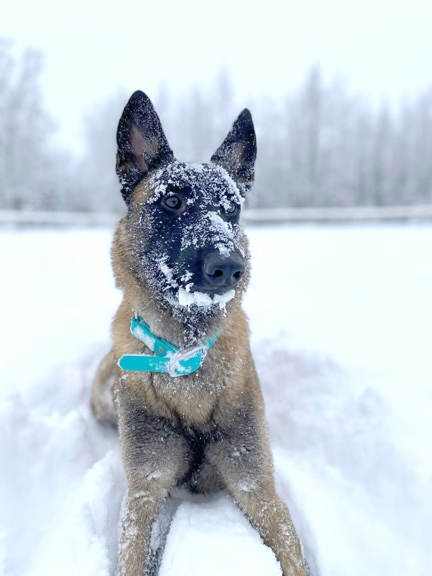
Monica Heath-Brost Photo
First, this writer looked into whether North Dakota has a state law or ordinance that specifically addresses dogs being outside in freezing temperatures. After reviewing state statutes, no law was found that sets exact temperature thresholds or time limits. Instead, the issue falls under broader animal welfare language. The 2009 North Dakota Code of Humane Treatment of Animals states that pet owners must provide “adequate care,” defined as “normal and prudent attention to the needs of an animal including wholesome food, clean water, shelter and health care as necessary, to maintain good health, in a specific species of animal.”
While that definition establishes a legal obligation, it does not offer specific guidance on cold-weather exposure, leaving much of the interpretation to owners, and fueling ongoing disagreements.
That brings the conversation into ethical territory, where opinions diverge. However, many people agree on at least one point: how a dog tolerates cold depends largely on breed, size, health, and individual characteristics.
Military spouse and science-based dog trainer Monica Heath-Brost, who holds a bachelor’s degree in animal behavior, weighed in on the issue. She emphasized that breed plays a significant role in cold tolerance. “Dogs are unique because selective breeding of individuals for a specific purpose has created identical physical, genetic, and behavioral characteristics that are passed on to offspring,” she said.
Heath-Brost stressed that there is no universal rule. “Each situation should be assessed individually to ensure each dog is healthy and happy. There are always limits to ensure a dog is safe; however, these limits can be influenced by multiple factors.”
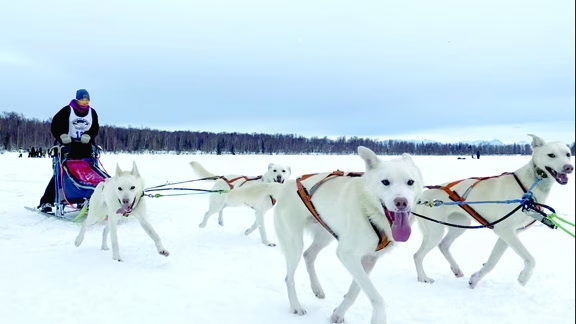
She pointed to the stark contrast between breeds as an example. Alaskan Malamutes, bred for pulling sleds in harsh Arctic conditions, have thick, dense double coats designed to withstand cold, wind, and snow. “A Malamute will beg to be outside for endless hours in a winter blizzard,” Heath-Brost said, “while a Saluki will prefer a warm beach vacation. Both breeds have different physical features that make them well suited to the environments they were developed in.”
She also acknowledged why the topic becomes emotionally charged each winter. “I went to college for animal behavior and have dedicated countless hours to education and advocating for dogs,” she said. “Misconceptions and misunderstandings lead to frustration and conflict.”
Beyond breed, paying close attention to a dog’s behavior is critical. Leanna Porter, a Minot AFB resident, said dogs often show clear signs when they are too cold. “If you pay attention to your pet, they will indicate it by slowing down, lifting their paws, or laying down,” she said. “It’s also a pretty good indicator if they’re sitting at the door barking or whimpering that they’re not okay.”
Another base member, who asked to remain anonymous, shared a deeply emotional experience, stating, “If any dog is outside when it’s under -10, they die in 20 minutes or less. My dog ran down the block when it was -15, and he froze mid-run. It looked like a statue. My kids couldn’t sleep for three days.” While such experiences are extreme and not universal, they underscore why fear and urgency often drive public reactions.
Veterinary guidance consistently emphasizes observation over rigid rules. According to PetMD.com, “The best way to monitor your dog is to keep a close eye on their behavior. If you notice your dog shivering, acting anxious, whining, slowing down, searching out warm locations, or holding up one or more paws, it’s time to head inside and warm up.”
In the end, there is no magic temperature or set amount of time that determines when it is safe or unsafe for a dog to be outside in subzero weather. Responsible pet ownership means understanding your individual dog, monitoring them closely, and responding quickly to signs of distress.
If you believe a pet is in immediate danger, seek help. If you’re concerned about a neighbor’s dog, a respectful conversation can go a long way. For situations requiring official assistance on Minot AFB, the non-emergency Security Forces line can be reached at (701) 723-3982 or 723-3983.